Non-pressure water & industrial containers
Review shape, supports, filling, draining and cleaning together. For export, compare packed volume and part cost. Potable water, food contact and hazardous liquids require evidence for the grade, fittings and destination.
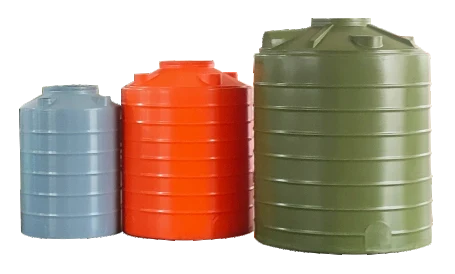
What to send for a useful review
- Medium, concentration and contact duration
- Nominal wall, minimum wall and inspection map
- Gaskets, connections and leak test method
- Packed dimensions, protection and destination
- Target market, intended use and required evidence
Catalogue examples show applications, not guaranteed specifications. Grade, dimensions, testing and delivery are agreed for each project.
Discuss your projectContinue exploring
Nominal vs minimum wall thickness
Nominal thickness describes a design target; minimum thickness defines the weakest acceptable inspected region. A part can meet its target weight and still have a thin local area. Agree a wall map around corners, fittings and highly loaded surfaces, with the measurement method and sampling plan. Increasing shot weight changes material cost and may lengthen the cycle, but does not automatically solve every thin spot. Check internal volume and mounting clearances when the wall changes.
Read guide ↗Bubbles, pinholes and surface defects
A defect is a symptom, not a complete diagnosis. Record location, frequency, material lot, photographs and the conditions of good and bad parts. Bubbles or pinholes may require checking fusion and powder condition; discoloration may require checking heat history, contamination or pigment. Avoid changing material, temperature and rotation together, because the cause becomes harder to identify. Agree whether the defect affects appearance, function or both, and confirm the correction on a representative repeat run.
Read guide ↗Packaging, container loading and landed cost
Hollow products can consume significant shipping space. Evaluate packed dimensions, nesting, fittings inside the shell and protection before freezing the design. Compare actual loading plans rather than dividing theoretical container volume by product volume. Landed cost includes the agreed export charges, freight, destination handling and applicable import costs, without double counting. Ask the importer or broker to confirm classification and current duties for the actual product. A generic plastic tariff or an old freight quote is not a reliable purchasing basis.
Read guide ↗