Medical & laboratory equipment housings
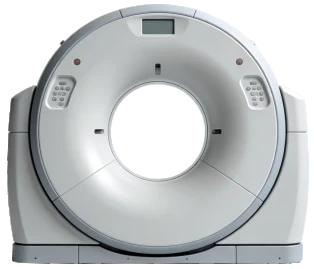
The brochure includes CT equipment and portable instrument housings. Review external covers without patient contact, bases and transport protection. Cleaning and assembly need validation. A catalogue image does not establish medical certification, biocompatibility, sterilization or EMC performance.
What to send for a useful review
- Critical interfaces, datums and tolerance
- Cleaning agents, disinfection and access
- Texture, colour reference and visible surfaces
- Target market, intended use and required evidence
- Test conditions and pass/fail limits
Catalogue examples show applications, not guaranteed specifications. Grade, dimensions, testing and delivery are agreed for each project.
Discuss your projectContinue exploring
Draft, corners and mold release
Design for a clear removal direction before adding cosmetic details. Internal cores, textures and deep recesses can make release more difficult than an open outer surface. Use a mold-opening review to identify trapped features and explain where a removable insert or split may be needed. Rounded transitions are generally easier to evaluate than sharp abrupt features. Do not copy a generic draft-angle number without considering depth, texture, resin and the actual demolding sequence.
Read guide ↗Surface finish, colour and branding
Define visible zones and an agreed appearance sample. Texture, mold condition, pigment and handling all affect what the customer sees. Discuss molded graphics, labels and secondary finishing early, including how they survive cleaning and outdoor exposure. A glossy digital rendering is not an acceptance sample. For a medical or service robot cover, agree which marks are functional and which are cosmetic. Protect finished surfaces during handling and packaging, and record approved colour changes.
Read guide ↗Specifying a medical equipment housing
State the intended use and whether the part contacts patients, fluids or the sterile field. An external housing is not automatically a medical device approval or a biocompatible component. Ask the OEM to identify applicable standards and evidence needs before selecting the grade. For non-patient-contact covers, review disinfectants, repeated cleaning, seams, access and mounting. Avoid assuming sterilization compatibility. Control drawings, materials and changes through the buyer’s quality process, with a documented sample and acceptance record.
Read guide ↗